How do companies actually work? How does an idea become a viable business model? And how can students learn to develop their own solutions and take responsibility for implementing them?
These are the questions addressed by Zukunft.Unternehmen, a project of the Friedel & Gisela Bohnenkamp Foundation for secondary schools in the city and district of Osnabrück. The goal is to introduce students early on to economic concepts, entrepreneurial thinking, and taking initiative. The aim is not for all young people to start their own businesses later on. Rather, they learn to tackle problems in a structured way, develop their own ideas, and present their solutions persuasively.
The project combines economic education with practical project work and personal development. Economics is not merely treated as an abstract subject in the classroom, but is brought to life through students’ own ideas.
Zukunft.Unternehmen consists of a ten-week foundational program and an optional follow-up intensive program.
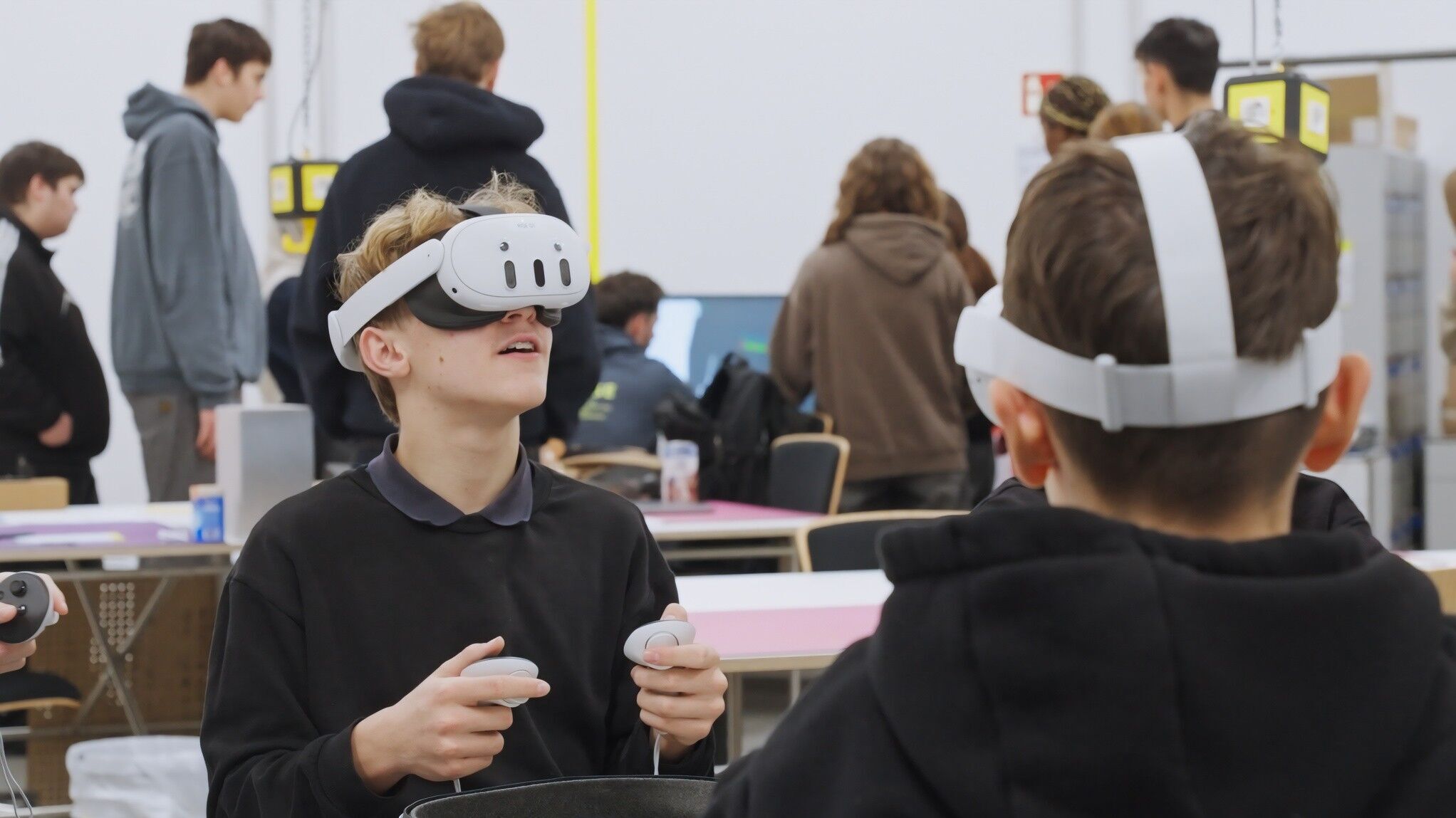
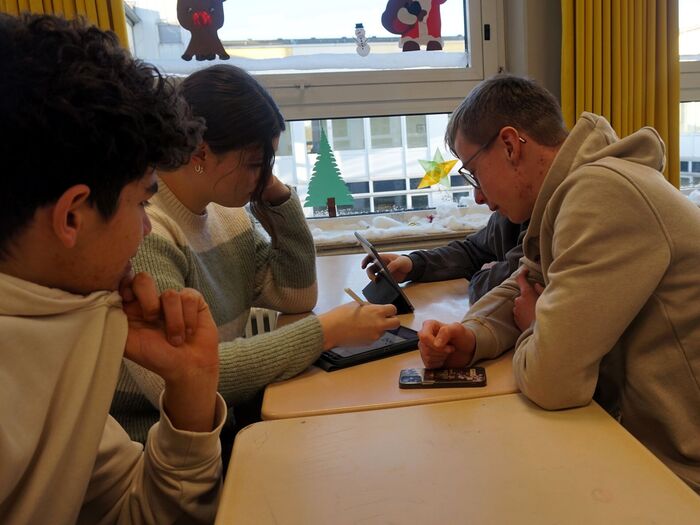
In the foundational program , students embark on a hands-on learning journey through five modules covering key topics in entrepreneurship. In weekly double periods, they explore problem understanding and idea development, business models, target audiences and marketing, finance and legal structures, as well as how to present their ideas.
The program is implemented through an interplay of external input and in-school reinforcement: guest speakers with real-world experience visit the school to share their insights on innovation, startup founding, and entrepreneurship. Teachers then address these topics during the intervening weeks and guide students’ continued work in the classroom.
All materials, presentations, and worksheets are fully prepared and made available digitally. This provides schools with a clearly structured framework that can be meaningfully integrated into classroom instruction.
In the intensive program , particularly interested students can further develop their ideas. They work in a more self-directed manner at learning stations, refine their business models, and receive additional guidance from external experts. Depending on the school’s preferences, the intensive program can be integrated as an extracurricular club, a specialized course, or even a project week. The program typically concludes with a presentation of the ideas at an off-campus learning location, often combined with insights into the regional business and startup landscape.

Zukunft.Unternehmen was initially piloted at a high school and subsequently refined specifically for lower secondary education. The project has since been implemented at eight schools in the city and district of Osnabrück, ranging from high schools to comprehensive schools. In collaboration with the Regional State Office for Schools and Education, the project was further developed to meet the curriculum requirements for grades 9 and 10.
Feedback from the schools has been very positive. Particular praise has been given to the project’s practical focus, the well-prepared materials, the external support, and the high level of student engagement. Teachers have observed that, over the course of the project, students work more independently, take on more responsibility, and identify more closely with their topics.
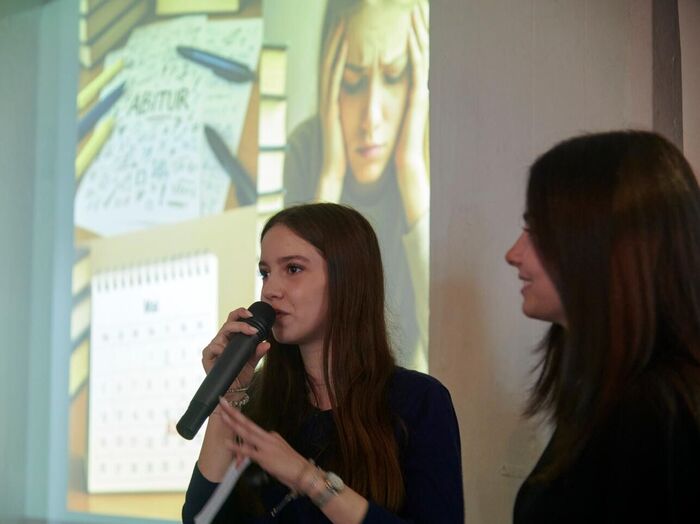
The closing events held outside of school are also seen as providing significant added value. Students present their ideas to an audience and meet people from the regional business community. This makes it clear that their work is not merely a school assignment, but is connected to real-world issues and challenges.
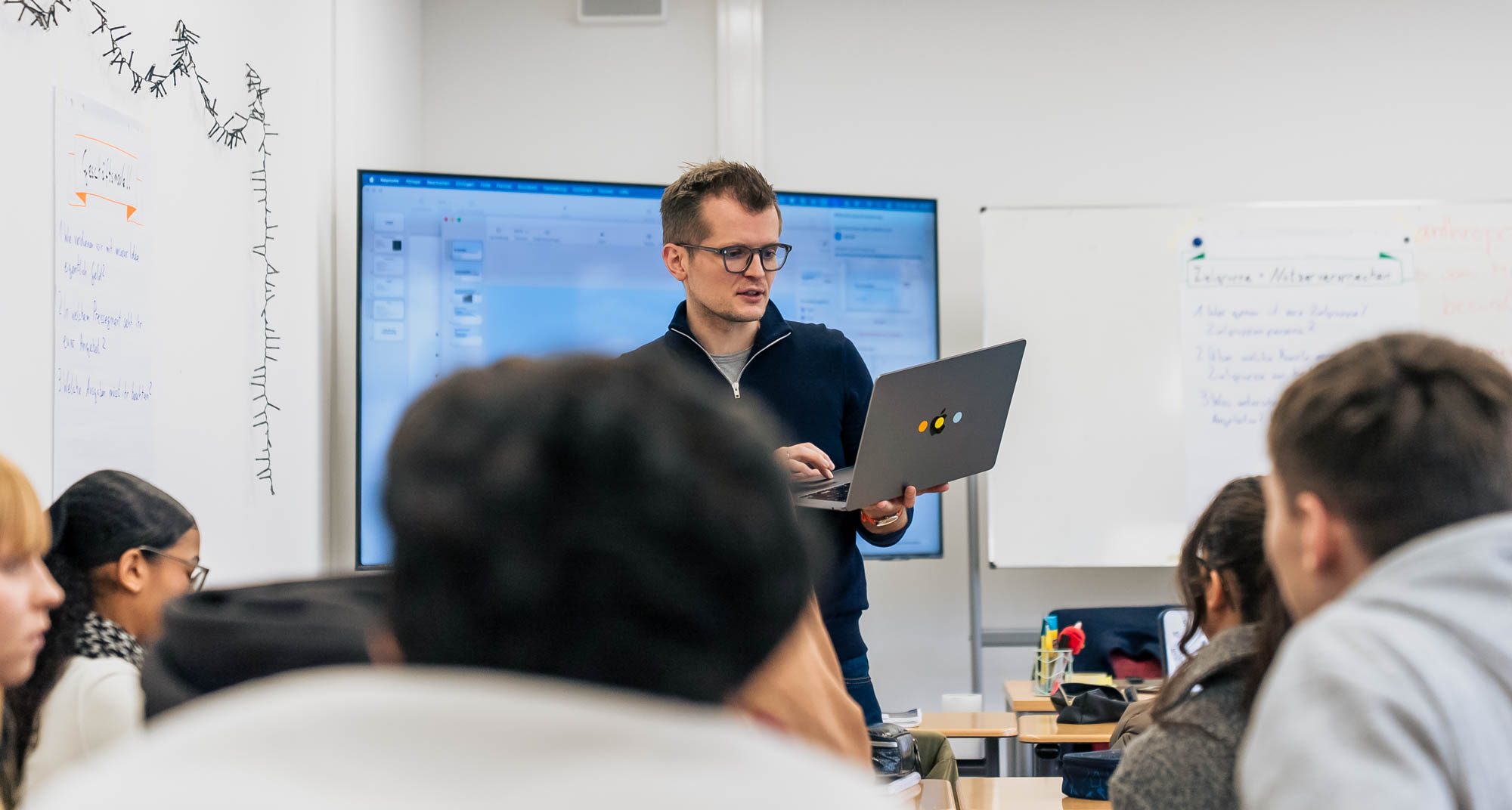
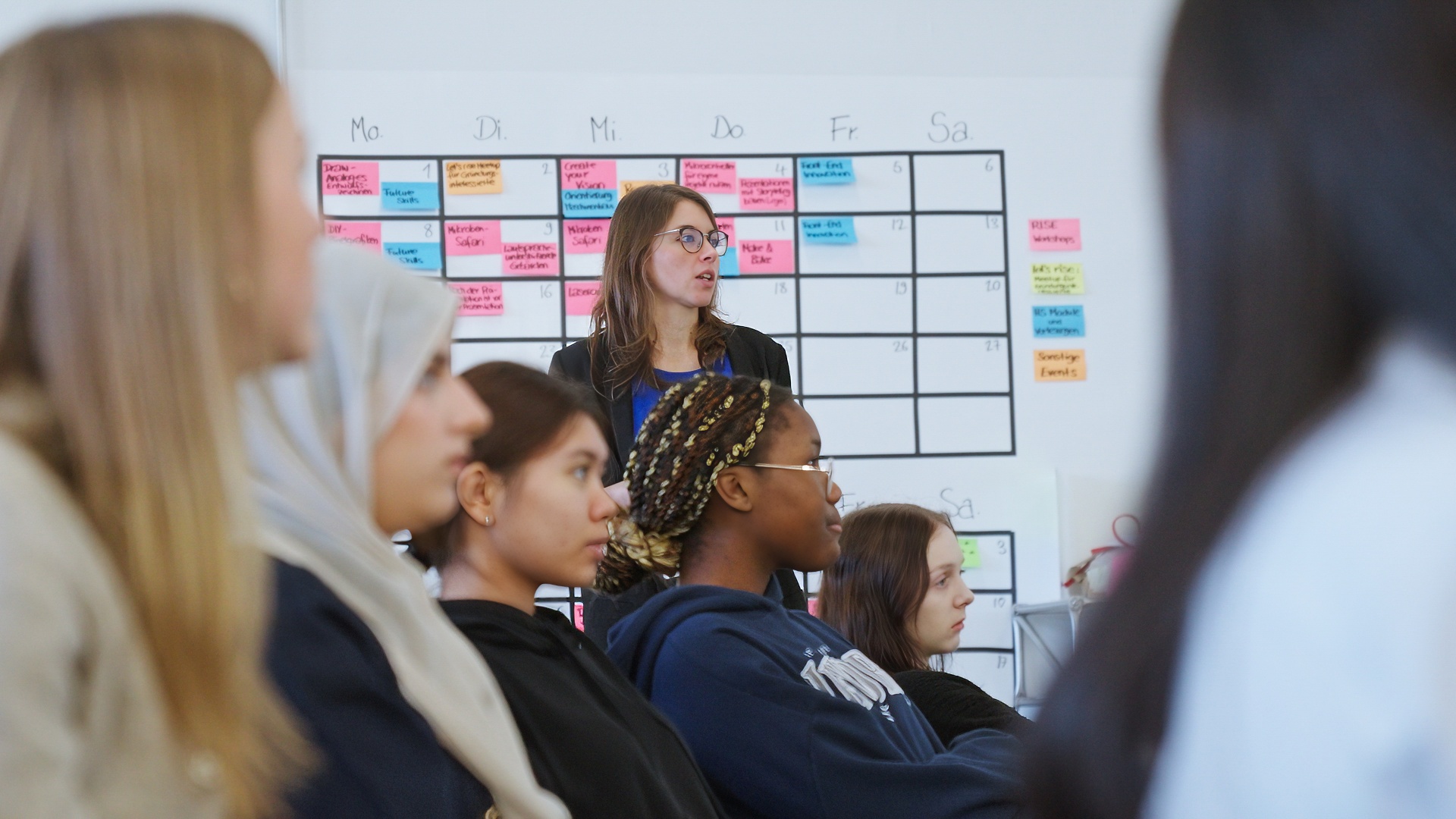
Zukunft.Unternehmen is neither a business simulation nor a mere startup workshop. The project combines classroom instruction, practical insights, the development of students’ own ideas, and regional networking. It creates a safe environment in which students can experiment with entrepreneurial thinking—regardless of whether they plan to start their own businesses later on.
For teachers, the project offers a well-prepared, curriculum-aligned, and practice-oriented lesson plan. For schools, it provides the opportunity to make economic education engaging, motivating, and forward-looking. For students, it creates a learning environment where they can experience firsthand that they can make a difference with their ideas.